
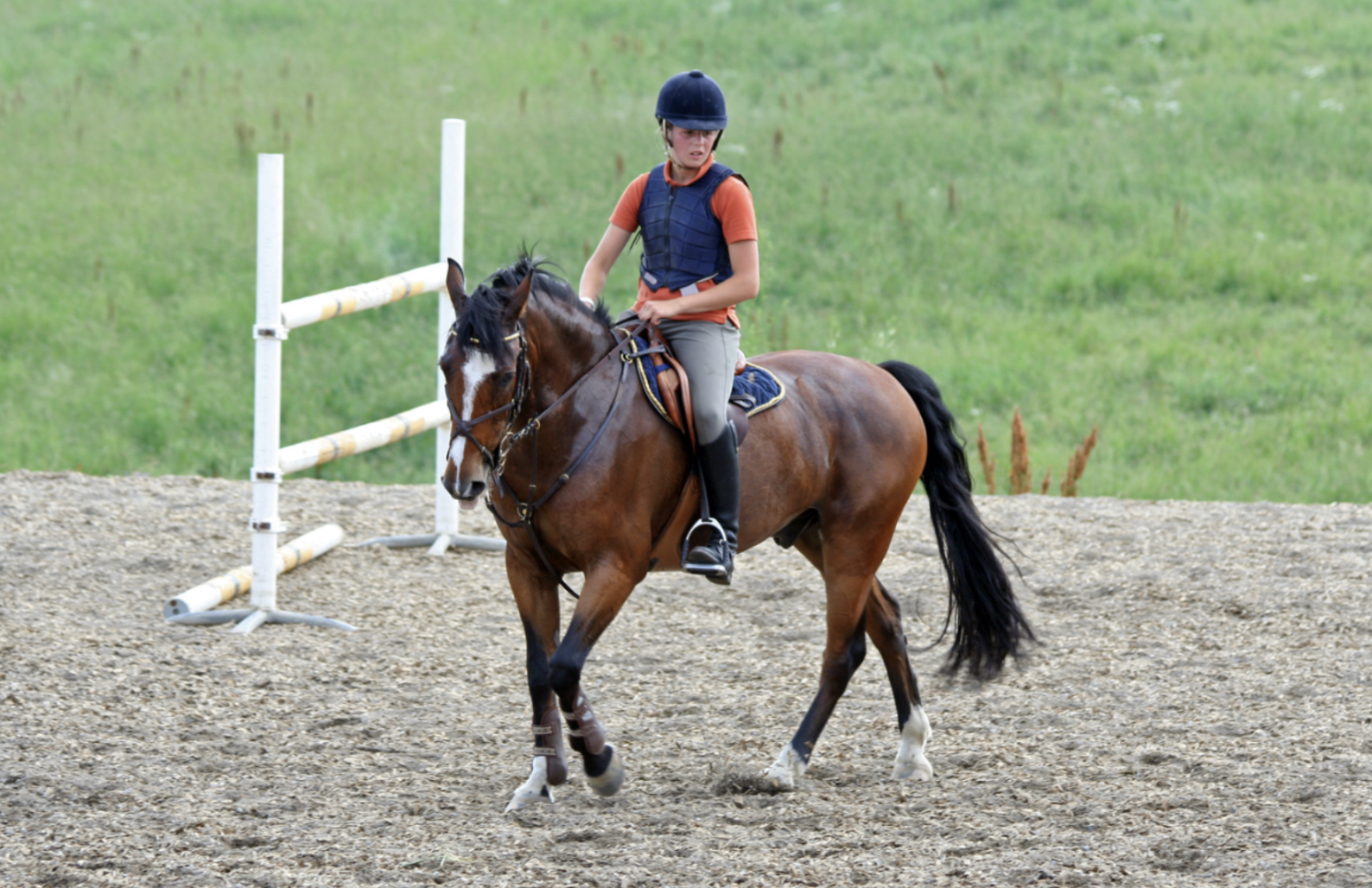
If you’re looking to get your horse trained, you’ve come to the right place! But before we dive in, let us tell you—it’s going to take time. You’ve probably heard about the popular 30-60-90 day training programs, and while they can be a good, reliable starting point, there’s a lot more that goes into training a horse than just sticking to a set timeline. From your horse’s age and temperament to the training goals you have in mind, many factors will affect how long it takes to see progress. In this blog, we’ll break down these factors and give you a more realistic idea of what to expect when training your horse.
Factors Affecting Horse Training Time
Training a horse is not a one-size-fits-all process, and several factors will influence how long it takes. Here’s a breakdown of the key elements that can affect your horse’s training timeline:
1. Age of the Horse
Young Horses: Training a young horse (like a foal or yearling) often takes longer, as they need time to grow, develop physically, and mature emotionally. They may be more energetic and less focused, which can slow down the learning process.
Older Horses: An older horse might have more focus and maturity, but if they’ve had little or no previous training, it can take time to teach them the basics. Older horses can also develop physical issues that may impact training, like joint stiffness or previous injuries.
2. Temperament of the Horse
Every horse has its own unique personality. Some are naturally calm, eager to please, and quick to learn, while others may be more stubborn, anxious, or easily distracted. A horse with a calm temperament will likely progress faster in training than one that’s more nervous or difficult to handle.
Horses that are nervous or reactive may need more time to build trust and confidence with their handler before they can focus on learning commands and skills.
3. Previous Experiences
Green Horses: A “green” horse with little to no prior training will need more time to learn basic skills like leading, standing still, and getting used to tack. They’ll also need extra time to adjust to the human world, learning trust and respect.
Horses with Bad Habits: If a horse comes with unwanted behaviors (like biting, bucking, or being hard to catch), this can add additional time to the training process. Retraining a horse to unlearn bad habits often requires a patient, methodical approach.
Each of these factors and more can make a big difference in how long it takes to train your horse, so it’s important to approach training with flexibility and realistic expectations.
How Long It Will Take to Train Your Horse
When it comes to training your horse, you’ve probably heard about the popular 30-60-90 day training programs. These timelines are often used as a general guideline for how long it should take to teach a horse the basics, but it’s important to remember that every horse is different.
While these programs can be a reliable starting point, they don’t necessarily capture the full picture of what’s involved in building a solid foundation for your horse.
In reality, training timelines can vary depending on several factors, including your horse’s age, temperament, and previous experiences.
The 30-60-90 Day Timeline
The 30-60-90 day programs are often broken down into stages:
First 30 days: Basic groundwork, establishing trust, getting the horse used to tack, and introducing saddle training.
Next 30 days: Building on these basics by refining commands and working on consistency.
Last 30 days: Focusing on developing the horse’s abilities for specific tasks, like roping, ranch work, or other discipline-specific skills.
While this timeline can work well for many horses, it’s important to remember that each horse has its own pace. Some may progress faster, while others may take longer to adjust or master certain skills. It’s essential to remain flexible and patient during this process.
Realistic Training Timeline
For horses in my training program, the focus is always on building a solid foundation first. We begin with the fundamentals—teaching the horse basic groundwork, desensitization, and responding to commands. This initial phase is critical, and it usually takes anywhere from 3 to 6 months to ensure a strong foundation.
From there, we move into specialized horse training based on your horse’s needs and goals.
For example, if your horse is being prepared for Rope Horse Futurities or rodeo events, additional training specific to roping and ranch work may take 6 to 12 months, or even longer, depending on the complexity of the tasks.
Horse Training Plan
It’s important to keep in mind that we offer individualized training, meaning each horse is treated according to its own needs and capabilities. Some horses may need more time to master certain skills, while others may progress quickly. Health and well-being are also a top priority—training sessions are balanced to ensure the horse doesn’t become overworked, allowing for consistent progress without physical strain.
Ultimately, the goal is not just for your horse to learn their job, but for them to love it. Horses that enjoy their work are far more likely to excel, and I strive to create an environment where your horse can thrive, both physically and mentally. Training may take time, but the results will last a lifetime. Contact us today!