
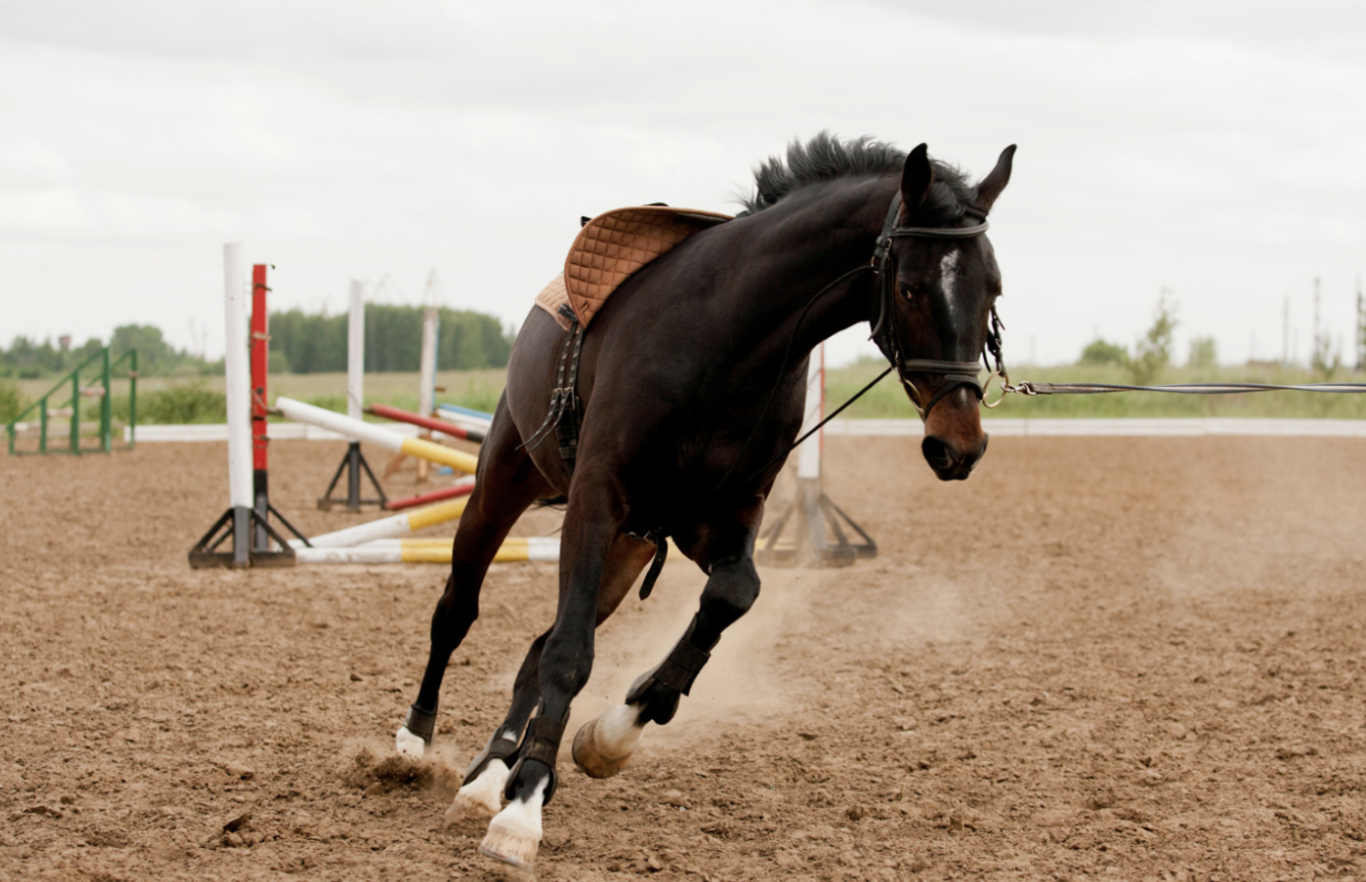
Out here on the ranch, we’ve seen plenty of horses who can run a barrel pattern or hold their gait like pros, but the moment something unexpected happens, they freeze, spook, or shut down. Training a horse isn’t just about muscles or maneuvers, it’s also about stimulating their mind. Mental training in horses is just as important as teaching them to stand, trot, or jump.
A horse with a calm, focused mind is easier to work with, more confident in new situations, and safer for both horse and rider.
In this post, we’re going to dig into why mental training matters and some practical ways to help your horse build focus, confidence, and trust, without stress or confusion. Whether you’re a beginner or a seasoned rider, understanding your horse’s mindset is the key to a stronger partnership out in the saddle.
What is Mental Training in Horses?
When most people think about training a horse, they picture riding exercises, lunging, or barrel patterns. But mental training is a bit different, it’s all about what’s going on in your horse’s mind. A horse isn’t just learning commands or tricks; they’re learning how to think, focus, and handle new experiences without fear or stress.
Mental training in horses focuses on developing their attention, confidence, and emotional resilience. It’s about teaching them to stay calm in unexpected situations, respond consistently to cues, and build trust with their rider or trainer. This can mean anything from slowly introducing a young horse to new sights and sounds, to helping a seasoned horse stay steady when crossing a creek or navigating tricky terrain.
By paying attention to your horse’s mental state, you’re setting the foundation for everything else: physical training, riding performance, and even behavior outside the saddle.
After all, a strong mind makes a strong horse.
Key Mental Horse Training Techniques
Mental training isn’t just an add-on at the end of a ride, it’s part of everything you do with your horse. Here are some practical techniques that can help any horse, from a young green-broke colt to a seasoned barrel racer, build focus, confidence, and trust.
1. Positive Reinforcement
Reward-based training is a cornerstone of mental stimulation. Horses respond best when they know what behavior earns them a reward, whether it’s a scratch on the neck, a verbal cue, or a treat. The goal isn’t just to get compliance, it’s to make learning enjoyable.
Start small: reward the horse immediately when it offers the desired response, then gradually increase the complexity of tasks.
2. Desensitization Exercises
Many behavioral problems come from fear. A spooky horse can be dangerous for both rider and handler, but systematic desensitization teaches them to face new stimuli calmly. Introduce new objects, sounds, or movements gradually. Let the horse sniff, touch, or walk around unfamiliar items at its own pace. Over time, they learn that these situations aren’t threatening, and their confidence grows.
3. Focus-Building Exercises
A horse’s attention span is limited, but you can strengthen it through short, consistent exercises. Try groundwork games like following your hand, maintaining eye contact, or responding to subtle cues while moving through patterns. Even simple exercises, like asking your horse to pause, back up, or yield to pressure, reinforce focus and responsiveness.
4. Problem-Solving Games
Horses are smart, curious animals. Encourage them to think by offering challenges that aren’t purely physical. Maze walks, stepping over poles in different configurations, or identifying objects by touch or scent can engage their brains. Problem-solving exercises not only stimulate their minds but also create a stronger bond with their trainer as they learn to trust guidance.
5. Routine and Consistency
Horses thrive on predictable patterns. A consistent training schedule helps them feel secure, reducing stress and anxiety. Mental training is most effective when it becomes part of a regular routine. Short, frequent sessions often work better than long, sporadic ones.
6. Observation and Adjustment
Mental training is as much about reading your horse as it is about the exercises themselves. Watch for signs of stress, boredom, or fatigue. Adjust your approach to meet your horse where it’s at. A responsive trainer knows when to push a horse and when to step back, this balance is key to building a strong mind.
Common Mistakes in Horse Mental Training
Even experienced trainers can stumble when it comes to a horse’s mental growth. Avoiding these mistakes will save time, stress, and frustration… for both you and your horse:
1. Overloading the Horse
Expecting too much too soon leads to stress and confusion. Break tasks into small steps and build gradually. A calm, focused horse learns faster than one pushed past its limits.
2. Inconsistency
Horses thrive on routine. Changing cues, commands, or schedules frequently can confuse them. Consistency in training, timing, and rewards is key to building trust.
3. Ignoring Behavioral Cues
Pinned ears, swishing tails, and tense muscles aren’t random, they’re your horse telling you how they feel. Ignoring them can lead to resistance or fear. Learn to read your horse and adjust your approach accordingly.
4. Skipping Mental Work
Many trainers focus solely on physical skills. Skipping mental exercises limits a horse’s confidence, focus, and problem-solving ability. Mental training should be as routine as groundwork or riding.
Creating Confident, Championship-Ready Horses
Mental training isn’t optional; it’s what helps your horse stay calm, focused, and trustworthy in every ride. A horse with a strong mind learns faster, handles new challenges calmly, and builds a deeper connection with its rider. Whether you’re starting out or have years in the saddle, paying attention to your horse’s mindset is just as important as perfecting their gait or jump.
At Jayde Slade Performance Horses, we help horses and riders build that mental edge. From training young horses to refining your riding skills, our goal is to create confident, championship-ready teams.
If you want to take your horse’s training, or your own riding, to the next level, reach out today and let’s make it happen.